
Category: Trip Planning

  • Getting to Thailand

    Getting to Thailand

    Getting to Thailand

    Whether you fly into bustling Bangkok, cross a land border from Laos or Malaysia, or arrive by ferry for island-hopping—getting to Thailand is easier than ever. Here’s a practical guide with routes, hubs, and tips.
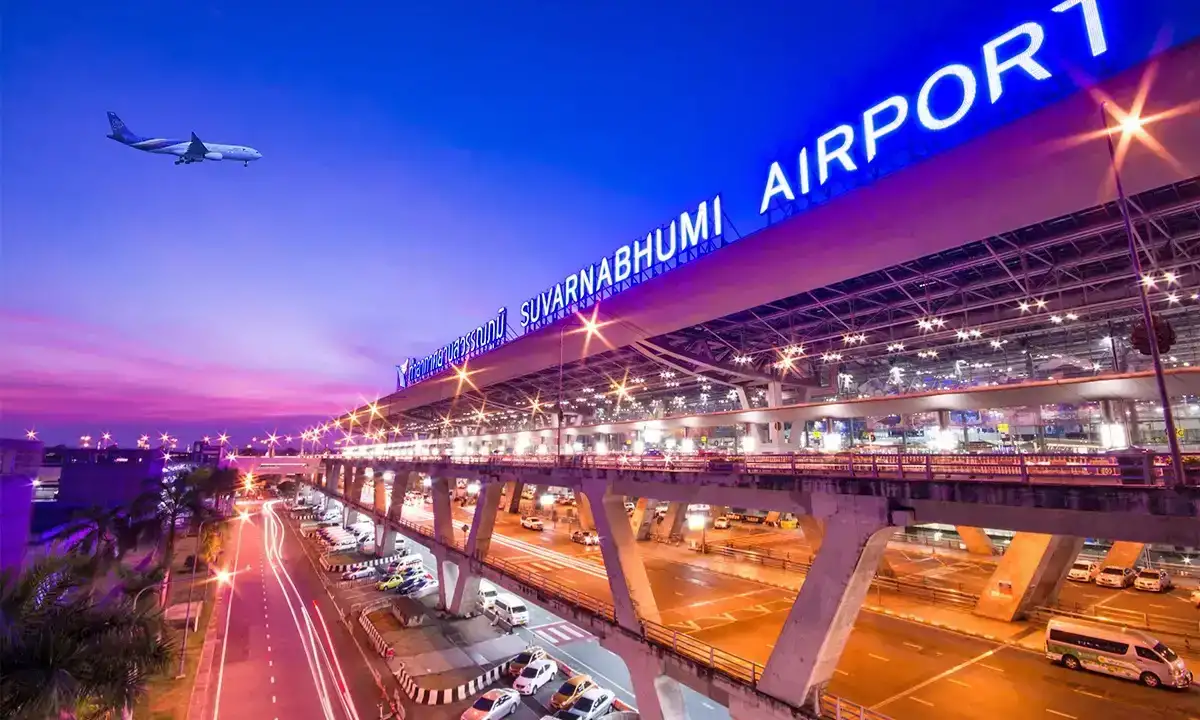
    Flights to Thailand – Suvarnabhumi Airport (BKK)
    📷 Credit: Wego Blog – Bangkok Suvarnabhumi Airport Guide

    By Air ✈️

    Thailand’s main international gateways are Bangkok — Suvarnabhumi (BKK) & Don Mueang (DMK), Phuket (HKT) for Andaman beaches, Chiang Mai (CNX) for the north, and Krabi (KBV) for island access. You’ll find extensive connections from Asia, the Middle East, and Europe.

    • Bangkok (BKK/DMK): best for onward domestic connections.
    • Phuket (HKT): direct beach access; ideal for short stays.
    • Chiang Mai (CNX): gateway to northern culture & mountains.
    • Krabi (KBV): close to Railay, Phi Phi boat connections.
    Thailand Land Borders – Friendship Bridge Nong Khai
    📷 Credit: Hop Inn Hotels – Thai-Lao Friendship Bridge Nong Khai

    By Land 🚍

    Travelers commonly enter Thailand overland from Malaysia (Padang Besar, Sadao), Laos (Nong Khai Friendship Bridge, Chiang Khong), Cambodia (Aranyaprathet/Poipet), and Myanmar (Mae Sai, Mae Sot).

    • Check whether you need a visa or can use visa exemption.
    • Border Pass rules differ from standard tourist entry—verify before travel.
    • Have onward transport & accommodation details ready at immigration.
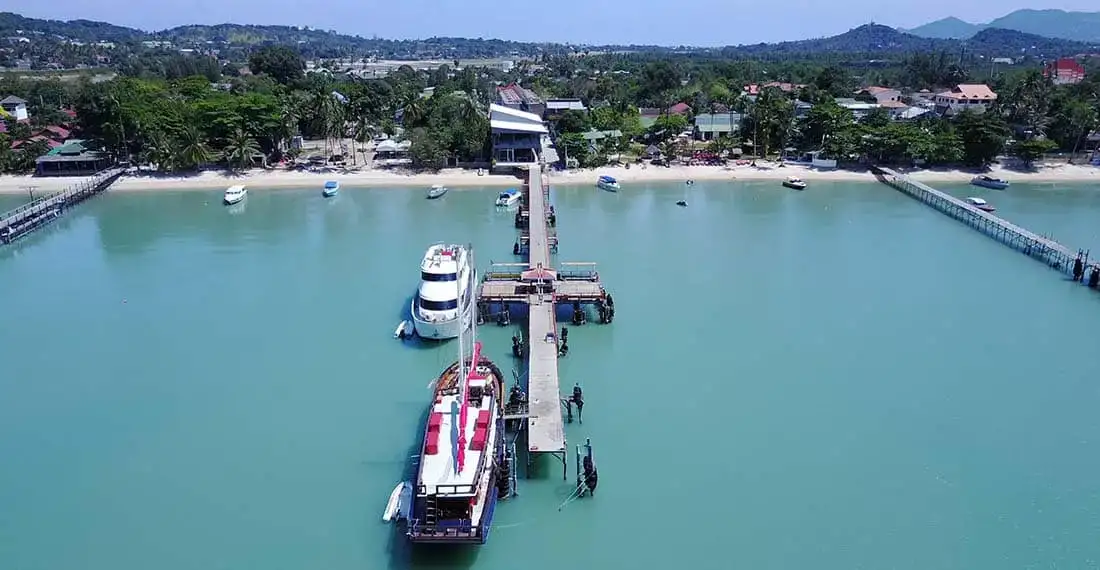
    Ferries & Island Hopping in Thailand
    📷 Credit: Bangkok Attractions – Ferry Pier Koh Samui

    By Sea 🚢

    Cruise ships call at Laem Chabang (near Pattaya) and Phuket Deep Sea Port. For island-hopping, ferries connect Surat Thani ↔ Koh Samui/Phangan/Tao and Phuket/Krabi ↔ Phi Phi.

    • Check seasonal sea conditions, especially Jun–Sep in the Andaman.
    • Book combined bus + ferry tickets for smooth transfers.
    • Keep a buffer for weather-related rescheduling.

  • Best Time to Visit Thailand

    Best Time to Visit Thailand

    Best Time to Visit Thailand

    Thailand’s tropical climate makes it a year-round destination. But the “best time” depends on your travel style—whether you want blue-sky beach days, vibrant festivals, or off-season deals. Here’s a full guide by seasons, regions, and events.

    Andaman Sea Thailand – Best Season

    Thailand’s Three Main Seasons

    Cool & Dry (Nov–Feb)

    • Best overall for comfort & sightseeing
    • Lower humidity, clear skies
    • Peak season → higher prices & crowds

    Hot (Mar–May)

    • Bright sunshine, best for beaches
    • Great visibility for diving/snorkeling
    • Very hot inland cities (Bangkok/Chiang Mai)

    Rainy/Green (Jun–Oct)

    • Lush landscapes, fewer tourists
    • Short but heavy showers + sunny breaks
    • Lowest hotel prices of the year

    Best Months by Region

    Andaman Coast (Phuket, Krabi, Phang Nga)

    Best: Nov–Apr · Shoulder: May & Oct · Wet: Jun–Sep

    Island hopping (Phi Phi, James Bond) is reliable Nov–Apr. Green season brings value but seas may be rough.

    Gulf of Thailand (Koh Samui, Phangan, Tao)

    Best: Jan–Sep · Rainy: Oct–Dec

    When the Andaman is wet, Samui side shines. Peak sun Jul–Aug makes it a great summer option.

    Bangkok & Central Thailand

    Best: Nov–Feb · Hot: Mar–May · Showers: Jun–Oct

    Cool season is most comfortable for temples, night markets, and river cruises.

    Northern Thailand (Chiang Mai, Chiang Rai)

    Best: Nov–Feb (cool mornings) · Hot: Mar–May · Green: Jun–Oct

    Great for hiking and culture. Dress in layers as early mornings can be chilly.

    Songkran Festival in Thailand

    Month-by-Month Snapshot

    JanCool, dry · Peak
    FebCool to warm · Peak
    MarHot begins · Clear seas
    AprVery hot · Songkran
    MayHot → showers · Shoulder
    JunGreen season deals
    JulSunny breaks · Samui peak
    AugSimilar to Jul · Fewer crowds
    SepWettest in Andaman
    OctTransition · Vegetarian Fest*
    NovCool starts · Loy Krathong
    DecPrime weather · Peak

    *Phuket Vegetarian Festival usually falls late Sep–Oct (dates vary by lunar calendar).

    Loy Krathong Festival in Thailand

    Key Festivals

    • Songkran (Thai New Year) – mid-April: nationwide water celebrations.
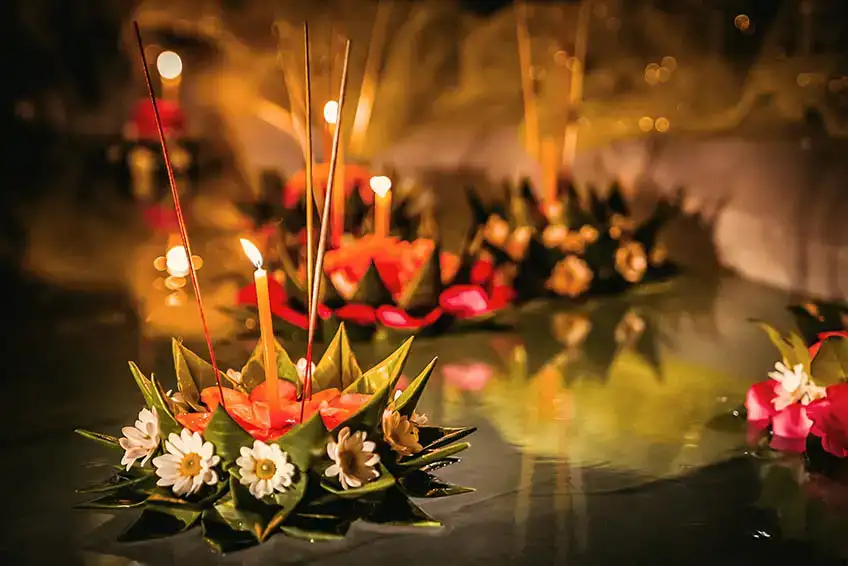
    • Loy Krathong – November: floating lights & lanterns.
    • Phuket Vegetarian Festival – late Sep–Oct: unique street processions (dates vary).

    Practical Tips

    • Book island tours with flexible reschedule in green season.
    • For Jul–Aug beaches, consider Koh Samui instead of Phuket.
    • Bring reef-safe sunscreen, light layers, and a compact rain jacket Jun–Oct.
    • Peak months (Dec–Feb) = higher prices. Secure hotels & transfers early.
  • Before You Go FAQs – Thailand Digital Arrival Card (TDAC)

    Before You Go FAQs – Thailand Digital Arrival Card (TDAC)

    Before You Go – Thailand Arrival Requirements

    Make sure you’re ready before traveling to Thailand. Here’s what you need to register to ensure a smooth entry.

    Thailand Digital Arrival Card (TDAC)

    Thailand Digital Arrival Card (TDAC)

    • Required for all foreign nationals entering Thailand via air, land, or sea starting 1 May 2025.
    • Must be submitted within 72 hours before arrival — via the official website only: tdac.immigration.go.th
    • Not a visa. You still need a valid visa or entry permission.
    • Applies to all categories of foreign travelers — tourists, business travelers, long-term visa holders, and visa-on-arrival passengers.
    • Exempt only: transit passengers (not passing immigration clearance) and Border Pass holders.